
Magnetic Resonance Imaging (MRI) has revolutionized modern medicine, providing unparalleled, non-invasive views inside the human body. This powerful diagnostic tool allows physicians to detect, diagnose, and monitor a vast range of medical conditions, from torn ligaments to complex neurological disorders. At the heart of this technology is the MRI technologist—a skilled healthcare professional responsible for operating the sophisticated MRI scanners, ensuring patient safety and comfort, and producing high-quality images for interpretation by radiologists.
As the demand for diagnostic imaging grows, so does the interest in the careers that support it. A role as an MRI technologist offers a unique blend of patient care, technical expertise, and critical thinking. It’s a field that not only provides immense personal satisfaction but also offers a stable and financially rewarding career path. This comprehensive guide delves into every aspect of this profession, with a special focus on MRI tech salary. We will explore earning potential, factors that influence pay, educational requirements, and the answers to the most frequently asked questions, all based on high-volume search data to ensure the information is relevant and valuable to aspiring and current technologists alike. Whether you are a student considering your future or a professional looking for a change, this article will provide the insights you need to understand the promising world of an MRI technologist.
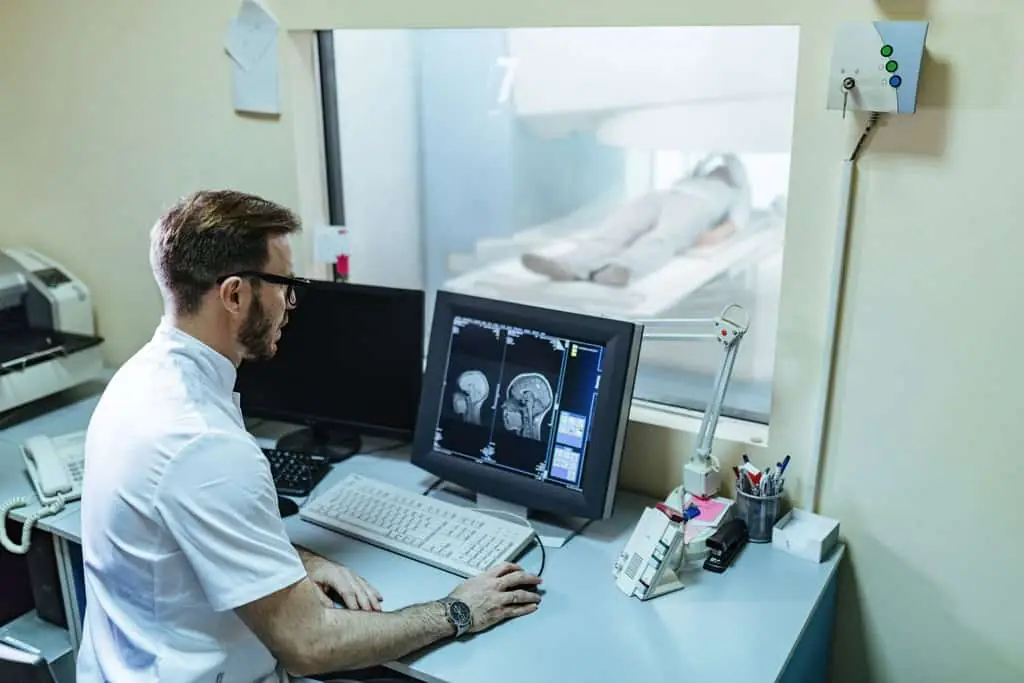
MRI Tech Salary and Compensation Overview
The earning potential for MRI technicians and technologists varies significantly based on experience, location, credentials, and employer type. According to the latest data, the average MRI tech salary ranges from $55,000 to $75,000 annually for entry-level positions, with experienced professionals earning substantially more.
In 2025, the median annual salary for MRI technicians stands at approximately $65,000, with the top 10% earning over $85,000 per year. Several factors influence these salary ranges. Geographic location plays a critical role—states like California, New York, and Massachusetts offer significantly higher compensation packages than rural areas. Urban hospitals and medical centers typically provide better salaries than smaller regional facilities.
Experience is another crucial determining factor. Entry-level MRI technicians with less than two years of experience earn considerably less than their experienced counterparts. However, as you accumulate years in the field, your earning potential increases substantially. Many healthcare professionals report salary increases of 20-30% within their first five years of employment.
Certification status dramatically impacts earning potential. Certified MRI technologists earn approximately 15-20% more than non-certified technicians. This difference makes pursuing certification financially worthwhile and demonstrates the market value of formal credentials. Additionally, specializations in advanced imaging techniques command premium salaries in competitive markets.
Becoming an MRI Tech: Education and Certification
The pathway to becoming an MRI tech requires dedication, education, and clinical training. Most entry-level positions require at least a high school diploma or GED, but understanding the foundational knowledge needed before pursuing formal education is crucial. Comprehensive training in the field helps you plan your career trajectory effectively.
A typical MRI tech school program lasts 12 to 24 months and results in either an associate degree or certificate. These programs combine classroom instruction with hands-on clinical experience. Accredited MRI tech schools cover essential topics including physics, safety protocols, patient care, anatomy, and advanced imaging techniques. The American Registry of Radiologic Technologists (ARRT) sets industry standards for education and certification.
Most employers prefer candidates with formal certification from the ARRT. To become certified, you must complete an accredited educational program, accumulate required clinical hours, and pass the ARRT certification examination. This certification validates your competency and significantly enhances your career prospects. Many states increasingly require ARRT certification for employment in hospital settings.
The investment in education pays substantial dividends. Graduates from accredited programs enjoy better job placement rates, higher starting salaries, and greater advancement opportunities. Tuition costs typically range from $12,000 to $25,000 for complete training programs. However, the return on investment becomes apparent within three to five years of employment, as salary increases quickly offset educational expenses. For additional preparation, consider exploring resources like the MRI quiz to assess your foundational knowledge.
MRI Technician Salary vs Technologist Salary
Understanding the distinction between MRI technicians and technologists is crucial when evaluating salary expectations. While these terms are sometimes used interchangeably, they typically represent different credential and experience levels.
MRI technicians usually hold certificate credentials and have completed shorter training programs. These professionals typically earn between $55,000 and $70,000 annually. Their primary responsibilities include operating MRI equipment, positioning patients, and maintaining machine functionality under the supervision of qualified radiologists.
MRI technologists, conversely, typically hold associate or bachelor’s degrees and possess broader educational backgrounds. A technologist’s salary generally ranges from $65,000 to $85,000 per year. These professionals often have more advanced responsibilities, including protocol development, equipment troubleshooting, and potential supervisory duties. The additional education and credentials justify the salary differential.
The salary gap between technicians and technologists widens with experience. Senior technologists with 10+ years of experience can earn $90,000 to $110,000 annually, while experienced technicians typically max out around $80,000. This reality emphasizes the long-term financial benefits of pursuing higher credentials and ongoing education.
Some professionals transition from technician to technologist status through continued education and credential advancement. This career path offers an excellent opportunity for salary growth without requiring a complete career change. Employers often support employee education through tuition reimbursement programs, making advancement financially feasible.

MRI Tech Jobs and Career Opportunities
The job market for MRI professionals remains robust and continues expanding. The Bureau of Labor Statistics projects consistent growth in diagnostic imaging careers, with particular strength in imaging technology fields. Healthcare facilities nationwide actively recruit qualified MRI technicians and technologists, creating numerous employment opportunities.
Job diversity extends beyond traditional hospital settings. MRI professionals work in diagnostic imaging centers, outpatient clinics, research institutions, specialty medical centers, and mobile imaging units. Each environment offers unique challenges, benefits, and compensation structures. Mobile MRI positions, for example, often provide premium pay due to travel requirements and specialized skills.
Geographic flexibility represents a significant career advantage. Healthcare facilities in nearly every region require qualified MRI professionals, enabling career mobility. This flexibility allows professionals to pursue opportunities in preferred locations or negotiate improved compensation packages by considering relocation.
Advancement opportunities abound within MRI careers. Experienced technologists often transition into supervisory roles, quality assurance positions, or teaching positions in accredited programs. Some professionals pursue advanced certifications in specialized imaging techniques like cardiac MRI or neuroimaging. These advancement paths often result in significant salary increases and expanded professional satisfaction.
For those seeking additional resources to maintain credentials and stay current with evolving protocols, explore high-volume study materials and mri machine resources. Continuing education ensures professional growth and maintains competitive advantage in the job market.
MRI Tech Income Growth and Benefits
Beyond base salary, comprehensive benefits packages significantly enhance total compensation for MRI professionals. Most hospital-based positions include health insurance, dental coverage, vision plans, and retirement contributions matching 3-6% of salary. These benefits typically add 15-20% to base salary value, substantially increasing overall compensation.
Professional development opportunities further increase income potential over time. Many employers fund continuing education, certification renewal, and advanced training. Tuition reimbursement programs enable technologists to pursue bachelor’s degrees without financial burden, creating pathways to higher-paying positions.
Overtime and shift differentials considerably boost annual earnings. MRI departments operate extended hours, including evenings, weekends, and holidays. Technologists willing to work non-traditional shifts earn 20-30% premium pay. Many professionals maximize income by accepting additional shifts during their early career years when flexibility exists.
Specialization opportunities provide additional income growth. Professionals developing expertise in advanced techniques like 3D imaging, diffusion tensor imaging, or cardiac MRI command premium compensation. Specialization differentiates professionals in competitive markets and justifies higher salary demands.
Pension programs, prevalent in public hospital systems, offer long-term financial security. These defined benefit plans provide retirement income substantially exceeding typical retirement savings. Professionals employed by government healthcare systems often enjoy pension benefits alongside regular salary compensation. You can explore related mri scan resources and advanced mri physics content to enhance your professional credentials and earning potential through specialization.

Frequently Asked Questions
What is an MRI?
An MRI (Magnetic Resonance Imaging) is a sophisticated diagnostic imaging technology that uses powerful magnetic fields and radio waves to create detailed images of internal body structures. Unlike X-rays and CT scans, MRI produces exceptionally detailed soft tissue images without ionizing radiation exposure, making it ideal for detecting injuries, tumors, and structural abnormalities.
What does MRI stand for?
MRI stands for Magnetic Resonance Imaging. The term “magnetic resonance” refers to the physical phenomenon where atomic nuclei align with applied magnetic fields and absorb radiofrequency energy. This energy absorption creates signals that sophisticated computer systems translate into high-resolution diagnostic images.
How much do MRI techs make?
Entry-level MRI technicians earn approximately $50,000 to $60,000 annually, while experienced professionals earn $70,000 to $85,000 or more. Median annual salary for MRI technicians is approximately $65,000, with certified technologists earning 15-20% higher compensation. Geographic location, employer type, and specialization significantly influence individual earnings.
How to become an MRI tech?
Becoming an MRI tech requires completing an accredited MRI training program (12-24 months), accumulating clinical hours, and passing ARRT certification exams. Most programs require high school diploma or GED completion. Many professionals pursue associate degrees, which provide broader healthcare knowledge and better advancement opportunities.
How much does an MRI cost?
MRI scan costs range from $1,200 to $3,500 without insurance, varying based on facility location, scan complexity, and imaging protocols. Insurance coverage typically reduces patient responsibility to co-payments ranging from $250 to $1,000. Total facility costs including equipment depreciation and staff salaries often exceed $5,000 per scan, with insurance companies negotiating reduced rates.
Conclusion
The MRI tech career path offers attractive compensation, job security, and meaningful professional opportunities in rapidly advancing healthcare technology. With median salaries around $65,000 and growth potential reaching $85,000 to $110,000 for experienced professionals, this career provides solid financial stability and long-term income growth.
The investment in education, typically $12,000 to $25,000 for training programs, yields excellent returns within three to five years. Geographic flexibility, diverse employment opportunities, and specialization potential further enhance career attractiveness. Professionals willing to pursue advanced credentials, embrace continuous learning, and develop specialized skills can significantly exceed average salary benchmarks.
As healthcare technology evolves and diagnostic imaging becomes increasingly essential, MRI professionals will remain in high demand. The combination of reasonable entry barriers, strong job market growth, competitive compensation, and comprehensive benefits makes MRI tech an excellent career choice for individuals interested in healthcare, technology, and helping patients achieve better health outcomes.